Andrew R. Chow, Time
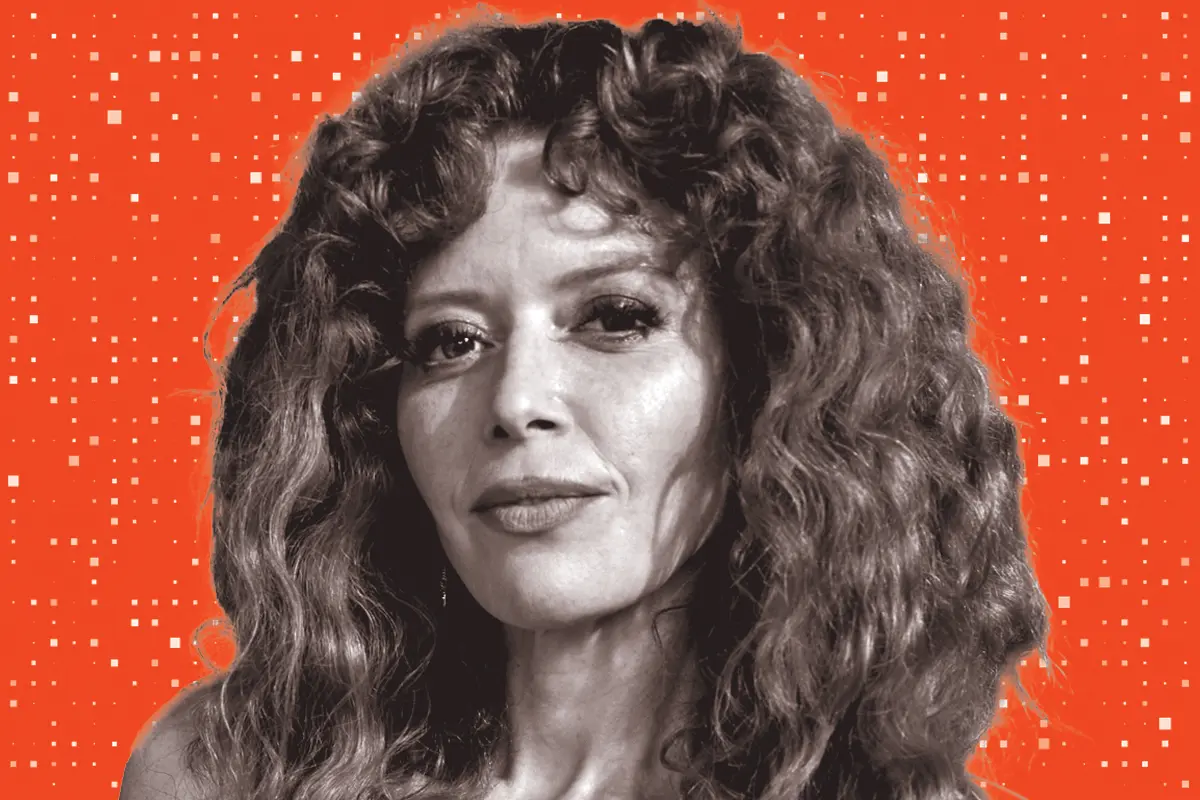
“I’ve always been such a punk,” filmmaker Natasha Lyonne muses. “But AI is the thing that’s going to flip me into a hippie. Because now’s the time to get super low to the ground and human.”
Lyonne has established herself as one of Hollywood’s most eccentric, probing creatives. A lifelong actor, Lyonne received acclaim as a show creator for her mind-bending Netflix show Russian Doll, in which her protagonist, a software engineer, gets stuck in a time loop.

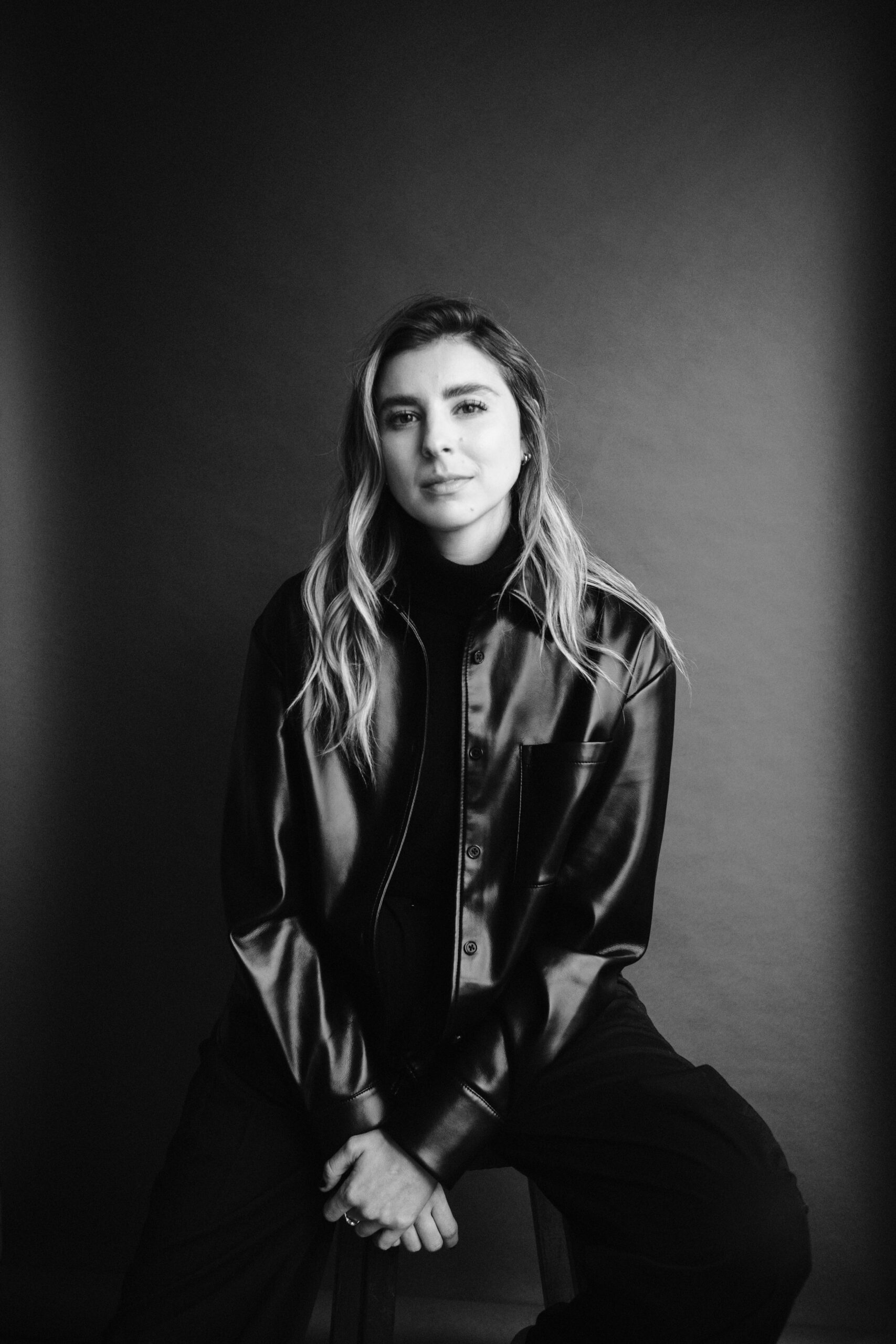
Natasha Lyonne Co-founder, Asteria Film Co.
This year, Lyonne is taking her futurist bent even further with the creation of an AI film studio, Asteria Film Co., and a movie, Uncanny Valley, which she is making with the help of AI tools. These projects make Lyonne one of the most high-profile entertainers to embrace AI—a decision that has garnered backlash from those who feel that the tech is antithetical to human creativity. Lyonne understands the criticism; she has plenty of her own about the industry. “But there is no way around the mountain,” she says. “I think it’s crucial that we level up as a community and situate ourselves correctly for this sea change.”
When ChatGPT stormed into the mainstream two years ago, some envisioned a future in which entire screenplays would be created by simple directives: for instance, “Write me a TV show just like Friends.” This approach repulses Lyonne. “I’m definitely not interested in prompting my way to a screenplay or film, or f-cking anything,” she says. “ChatGPT will tell you crazy things. It’s too easily suggestible.”
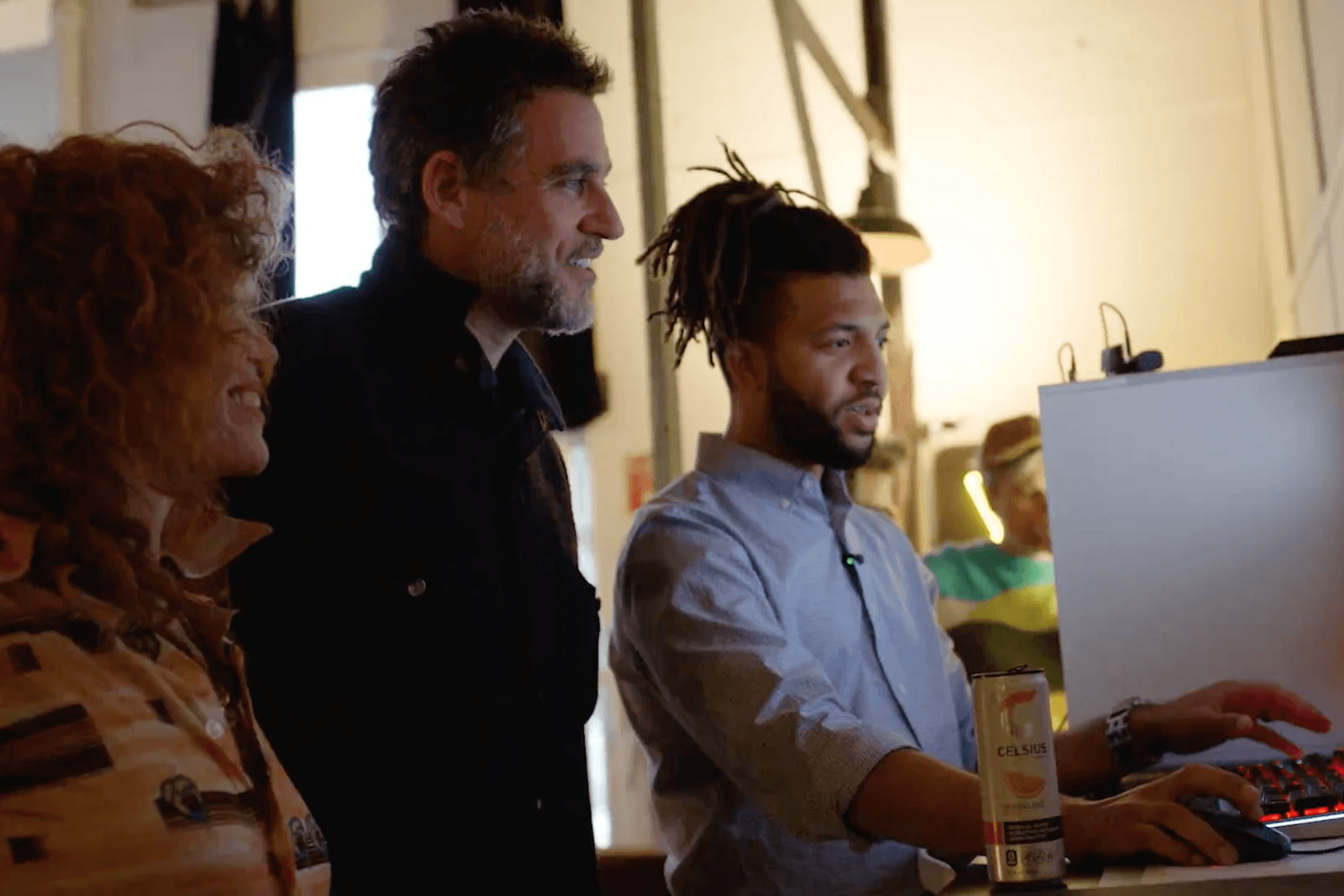
Asteria is an artist-led generative AI film and animation studio.
Rather, she became interested in how AI filmmaking tools could give her more autonomy as a rising filmmaker on a budget. Lyonne says that the types of movies that she typically gets offered to direct are “two gals on the side of the road.” But Lyonne, who is an ambitious, circuitous thinker, wanted to keep making art that built upon the scale and richness of Russian Doll, fusing sci-fi, history, and metaphysical exploration.
Advanced AI tools now allow her to reduce the costs of visual effects or other post-production tools. Asteria, which Lyonne created with filmmaker (and her boyfriend) Bryn Mooser, is a subsidiary of Moonvalley, an AI startup founded by Google DeepMind researchers. Their video model Marey, which was trained on fully-licensed data, allows filmmakers to input storyboards or frames and change details like coloring, composition, or even faces.
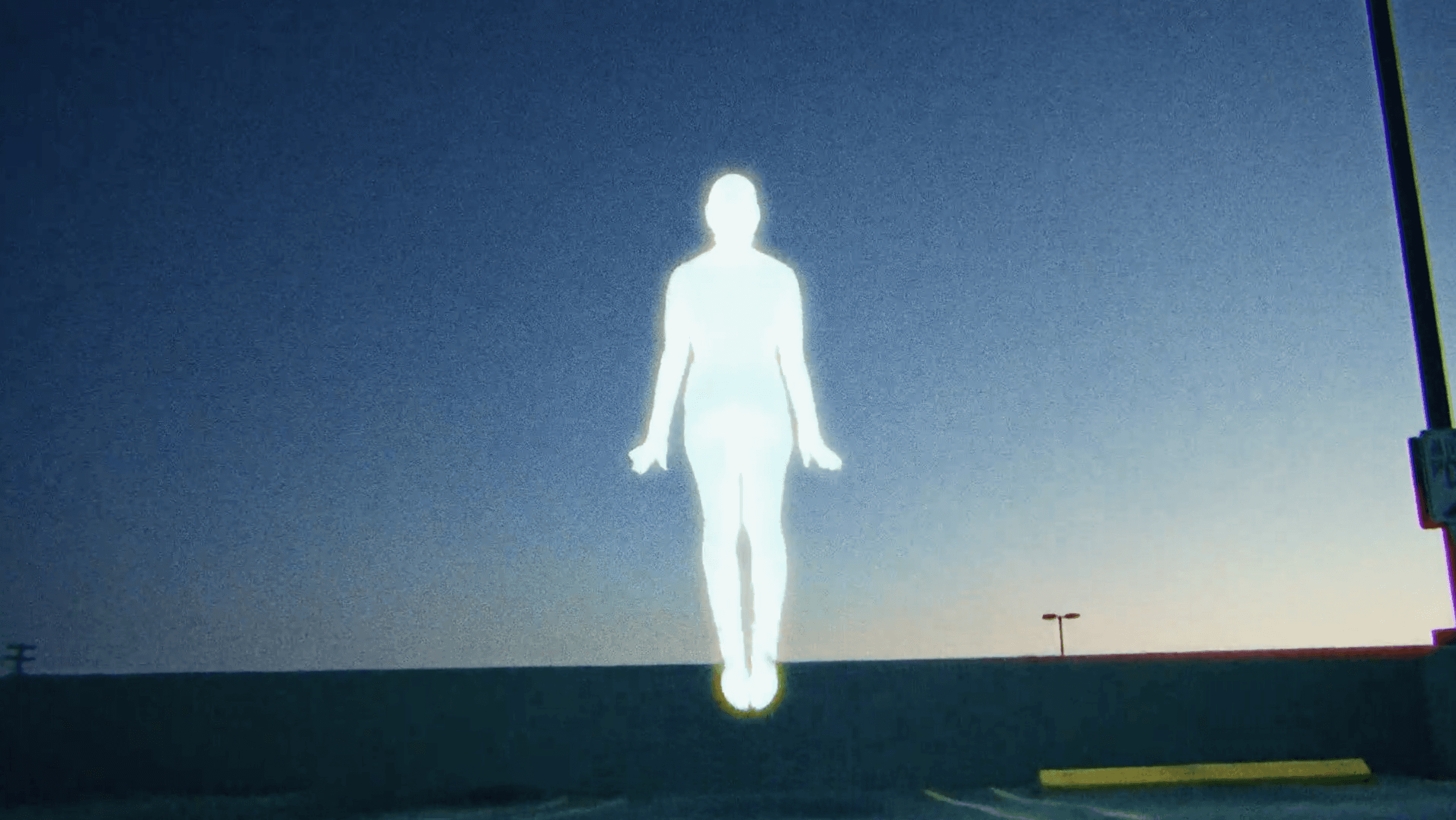
Lyonne is currently using Marey on her upcoming film Uncanny Valley. Written by Lyonne with screenwriter Brit Marling and technologist Jaron Lanier, the movie follows a teenage girl who becomes lost inside of an augmented reality video game. “Before, you never would have had the option to make an independent film at true visionary scale,” Lyonne says. Asteria is also using Marey for a documentary about astronomer Carl Sagan, to restore and tweak archival footage.
Moonvalley has built the first of its kind clean foundational AI model.
Critics worry that AI will cheapen filmmaking. “But I know we’re doing it the right way, because I’m on the floor, it’s us,” she says. “We show each other ideas and drawings and put them through Marey and start building out that world. It’s totally a tactile art form.”
Many in Hollywood also worry that the tools will simply replace human jobs; just two years ago, Hollywood’s major unions fought fiercely for—and won—AI protections in contracts. Lyonne concedes that in some cases, the technology could be used in a way “that would actually be taking away jobs and doing something poorly and not creatively and not interesting,” she says. “That would be lame.”
She hopes that instead, the future of Hollywood will respect artists’ rights—and empower both filmmakers shooting on 16mm and those using AI to world-build. “The magic trick of this whole thing is figuring out how to force us all to put our hands together and agree to integrity together,” she says.
Even those in Hollywood who are pushing most adamantly for AI protections don’t believe that they can prohibit it entirely. “I absolutely support the idea of technology companies that engage on an ethical basis,” says Duncan Crabtree-Ireland, the national executive director of SAG-AFTRA.
Lyonne has been contemplating how AI could lead society toward dystopia. “Sometimes my brain will skip into a deep future where the memory of things like novels or a Spielberg film about romance seem so soft and sweet, if in fact, we are to head into this great world of code,” she says. “I think that we’re all a little bit over our heads with this tech wave, personally.”
Still, she feels like she doesn’t have a choice but to engage. “I understand the spark that AI invokes in people. Life is scary,” she says. “The fact of the matter is that it’s upon us. Best we dive in, I think.”
Credits: